Product Overview
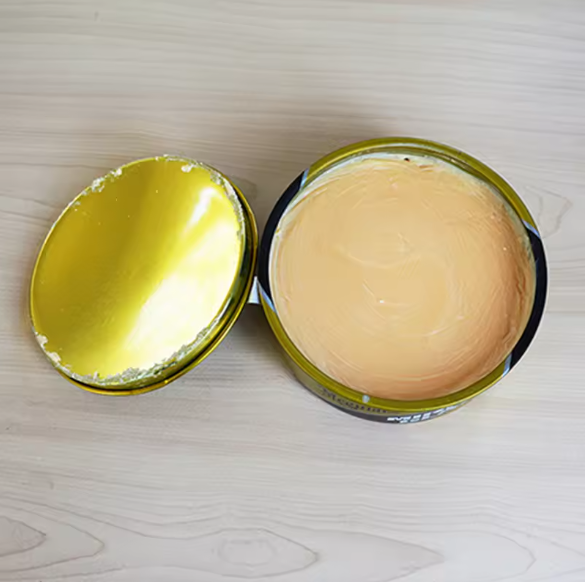
The wax is applied as a thin, even film over a clean, cured mold surface, then buffed to a high gloss that becomes the release interface. Each application builds a durable film supporting multiple part pulls before reapplication, reducing mold maintenance between cycles. Honey Wax 250 is formulated for polyester, epoxy, and vinyl ester systems and works on fiberglass, metal, and composite tooling. As a paste, it stays where applied, does not run down vertical mold faces, and cures quickly to a buffable film.
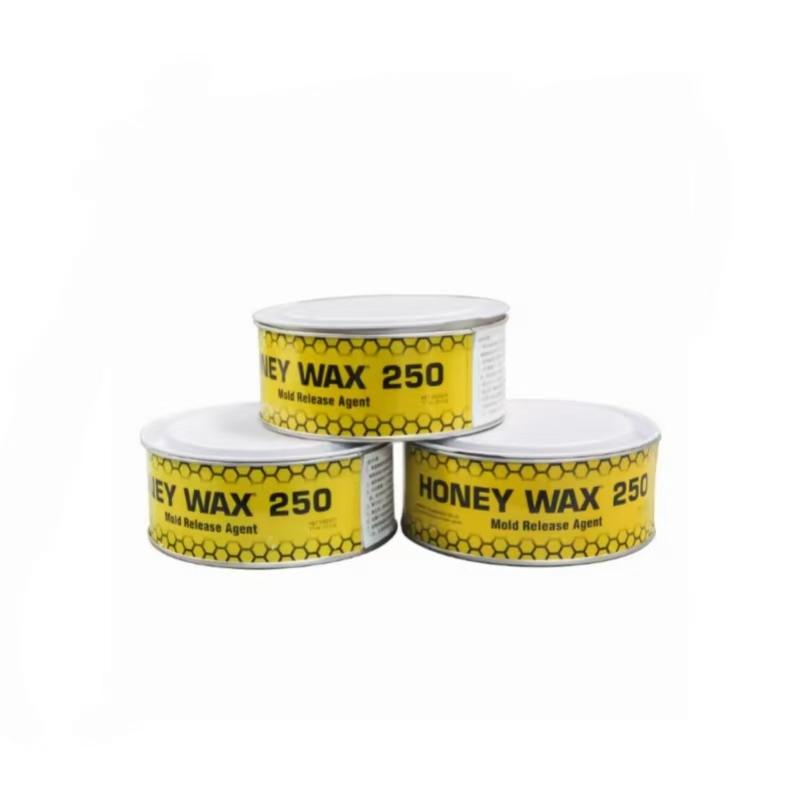
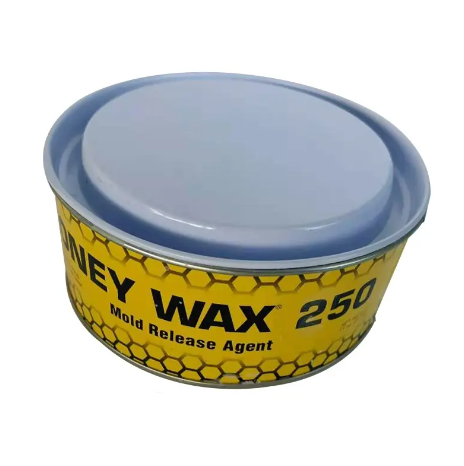
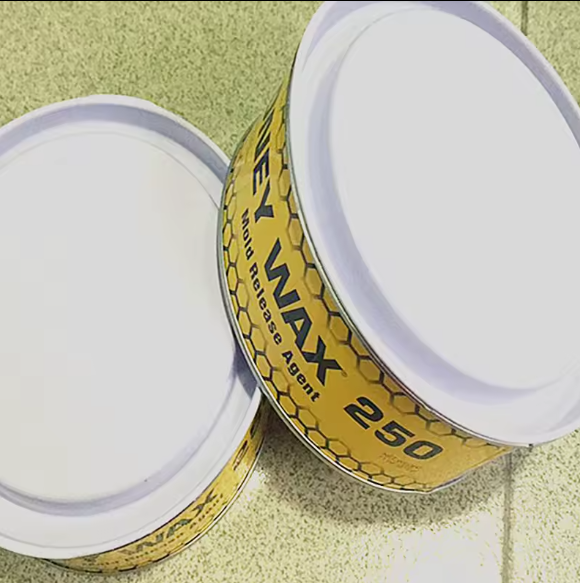
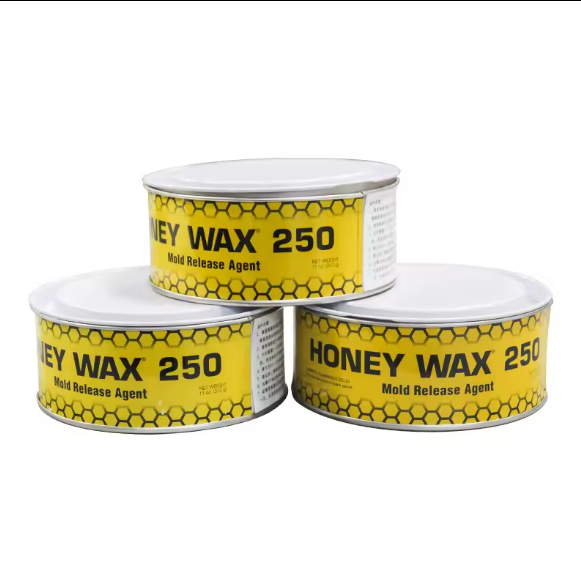
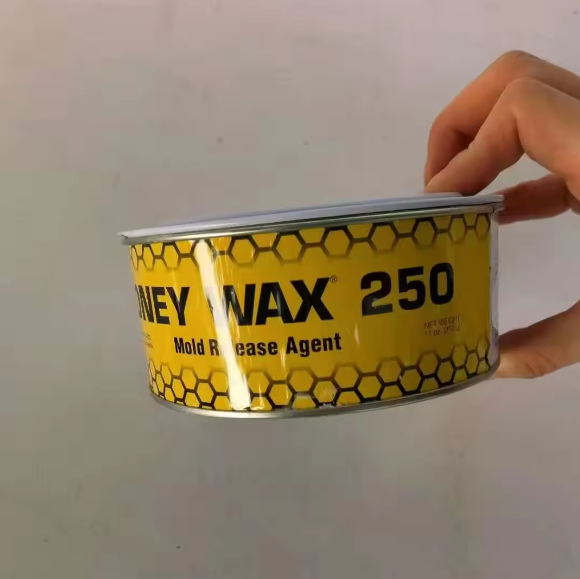
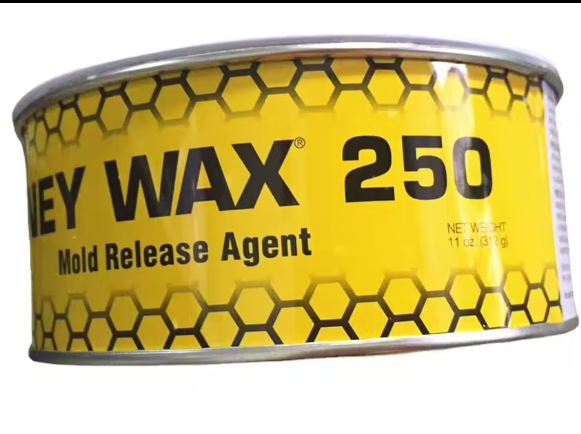
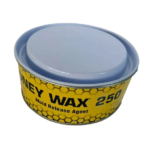
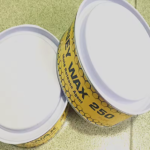
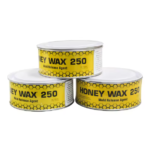
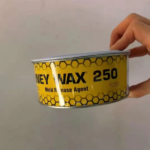
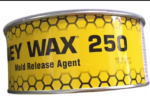
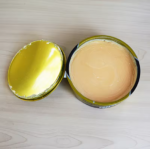
Honey Wax 250 is a paste wax mold release engineered for composite molding, delivering a hard, slick film that lets cured parts demold cleanly without sticking or surface damage. It is the practical answer for open molding and infusion shops that want dependable release with simple wipe-on application. The wax is supplied by Cinon Composites in tins and pails for shop-scale use.
Specifications
| Parameter |
Typical Value |
| Type |
Paste wax, solvent-based |
| Carrier solvent |
[ ] |
| Mold temperature range |
[ ] °C |
| Releases per coat |
[ ] |
| Compatible resins |
Polyester / epoxy / vinyl ester |
| Mold surfaces |
FRP / metal / [ ] |
| Packaging |
[ ] (tin / pail) |
Values vary by grade — contact sales for the datasheet.
Applications
Release open-molded laminates
Hulls, decks, and parts built by hand lay-up and spray-up.
Prepare vacuum infusion tooling
Dependable demolding of large, stiff infused panels.
Protect gel coat molds
Clean separation that preserves mold gloss and part finish.
Demold short-run parts and tooling
Fast turnaround for prototypes and small series.
Key Advantages
Versus silicone sprays, paste wax does not contaminate the laminate surface and leaves a better substrate for post-mold bonding and painting. Versus liquid waxes, the paste form is easier to control on vertical tool faces and gives a more consistent film thickness. Multi-pull performance cuts cost per release, and the buffed film protects the mold surface from resin attack between cycles.
FAQ
How often must I reapply?
Reapplication depends on part size and cycle; most shops recoat every [ ] pulls — the Cinon Composites technical team can help set a schedule.
Can it be used on heated molds?
Yes, within the rated temperature range; confirm your mold temperature with sales before use.
Does the wax affect secondary bonding?
A properly buffed film leaves no transfer that prevents bonding; degrease the part surface before bonding or painting per standard practice.
— Cinon Composites Technical Team