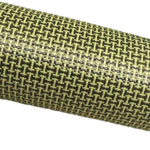
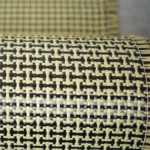
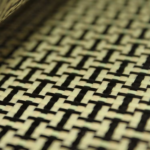
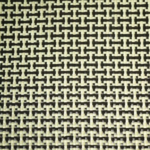
Product Overview
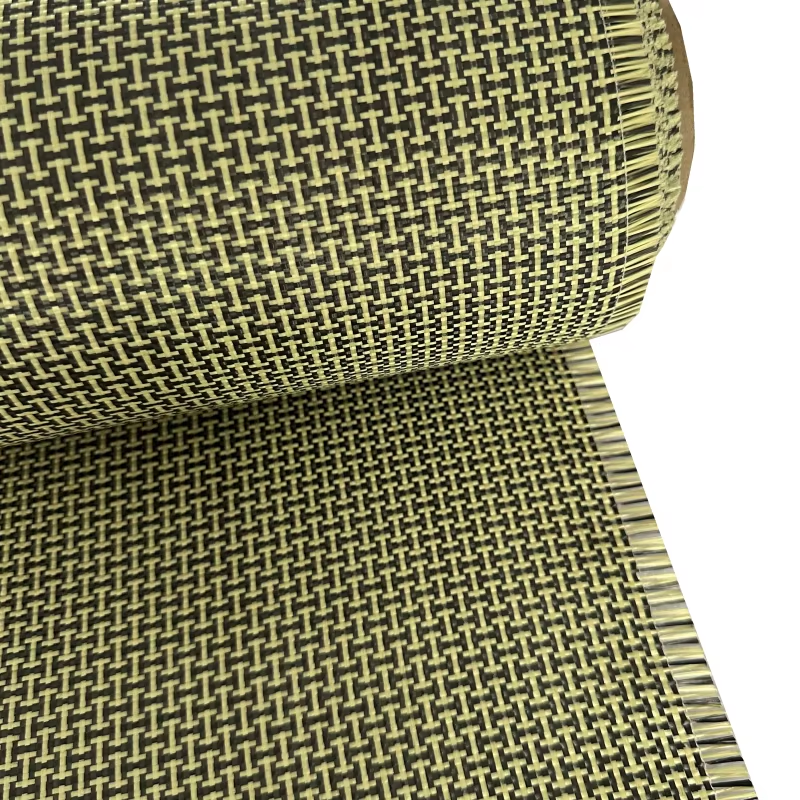
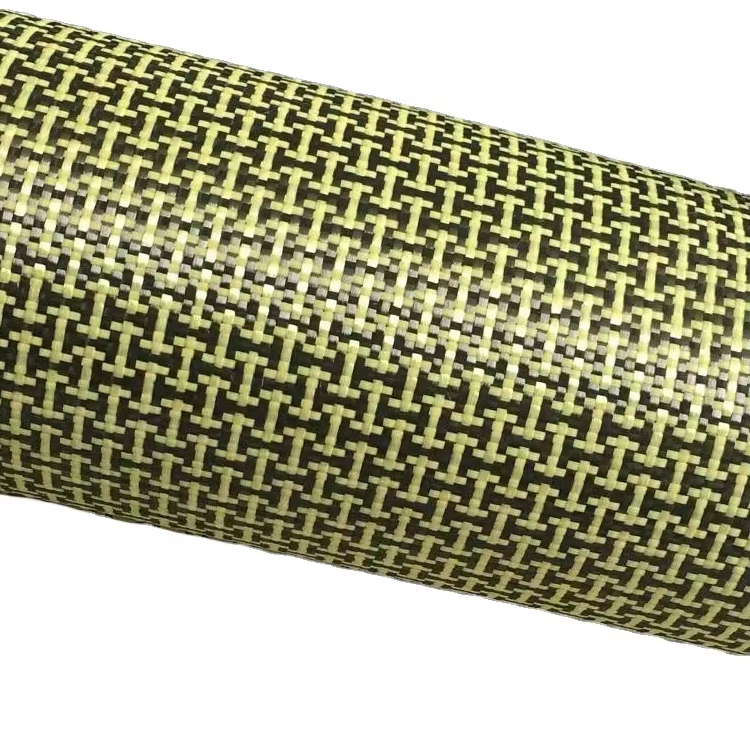
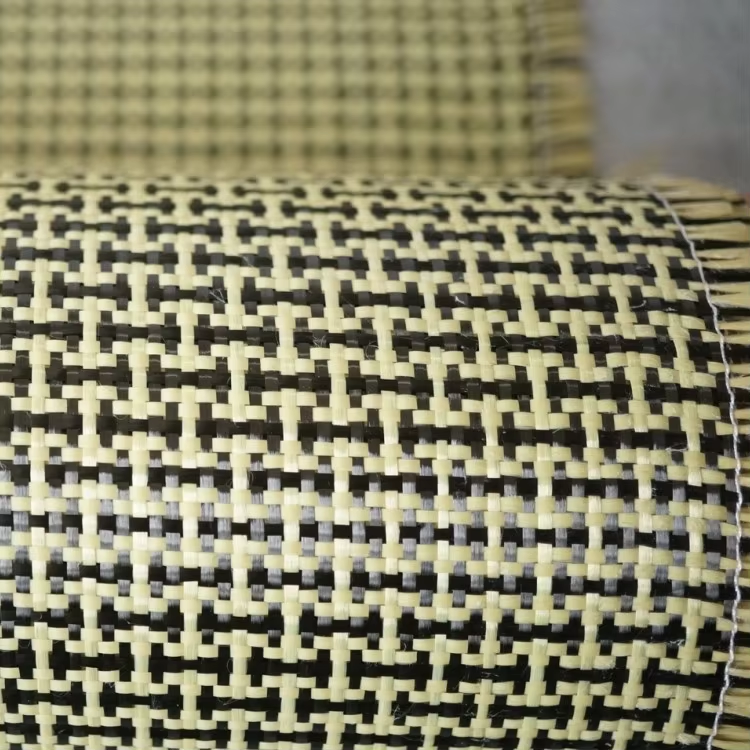
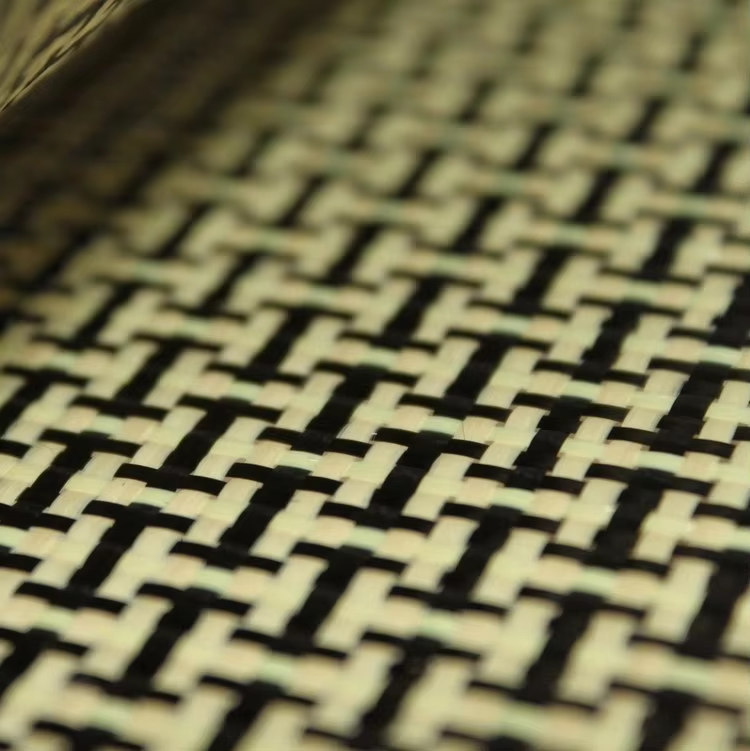
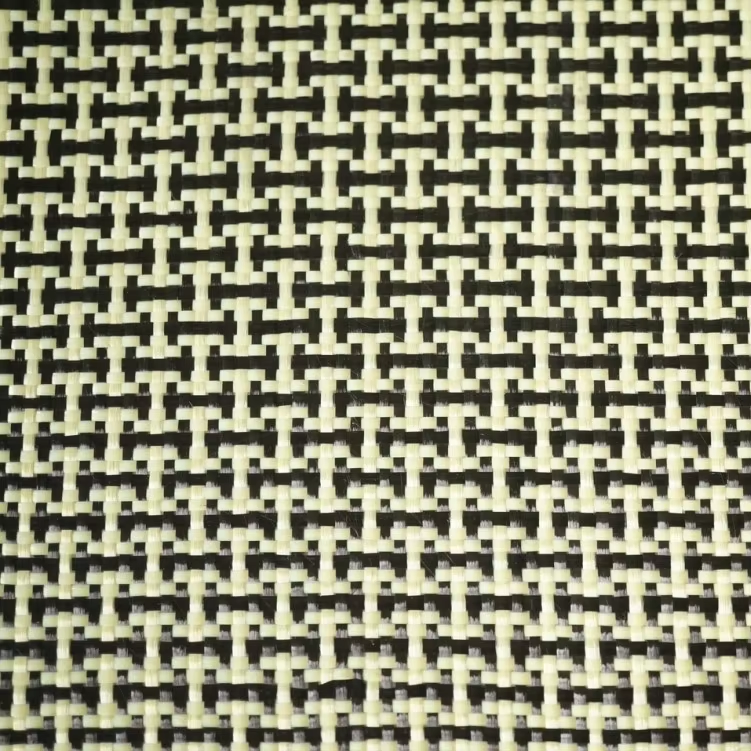
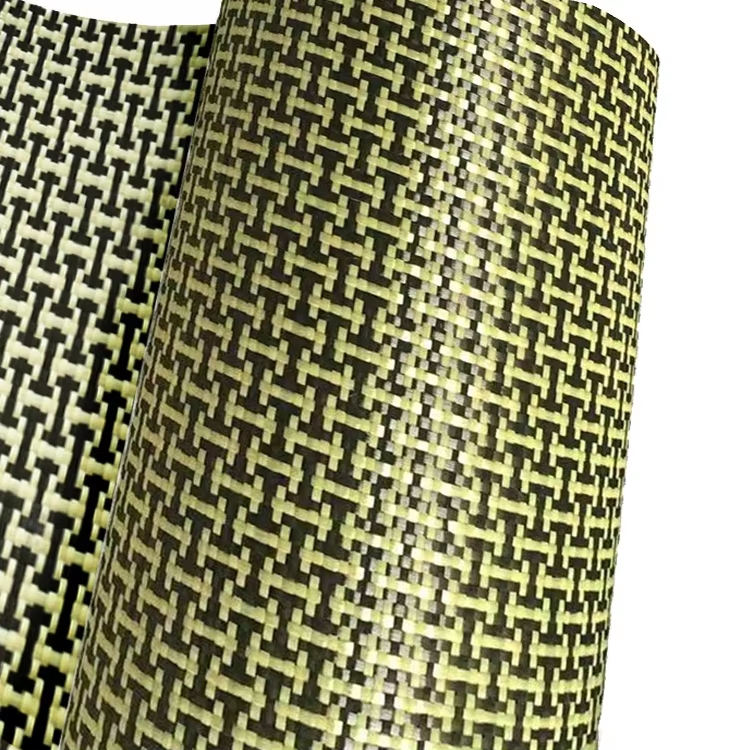
Carbon aramid hybrid fabric blends carbon and para-aramid fibers in one woven cloth, delivering carbon-class stiffness together with the impact toughness that all-carbon laminates lack. Choose it when a structural part must stay rigid yet survive impact, vibration, and edge damage in service. Cinon Composites supplies the fabric in standard and custom weaves for industrial buyers.
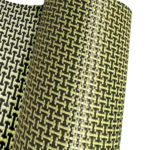
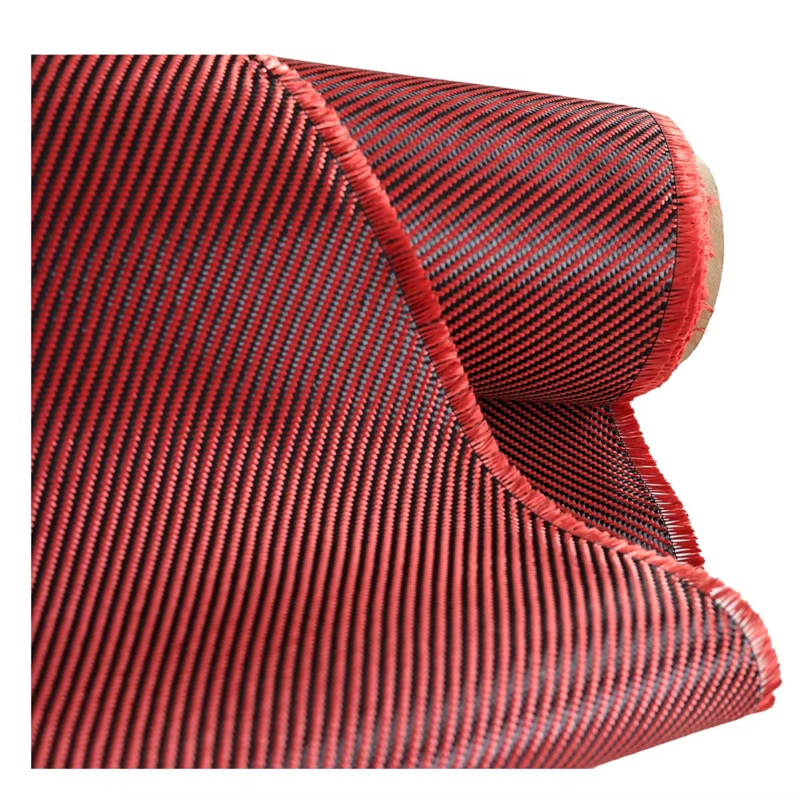
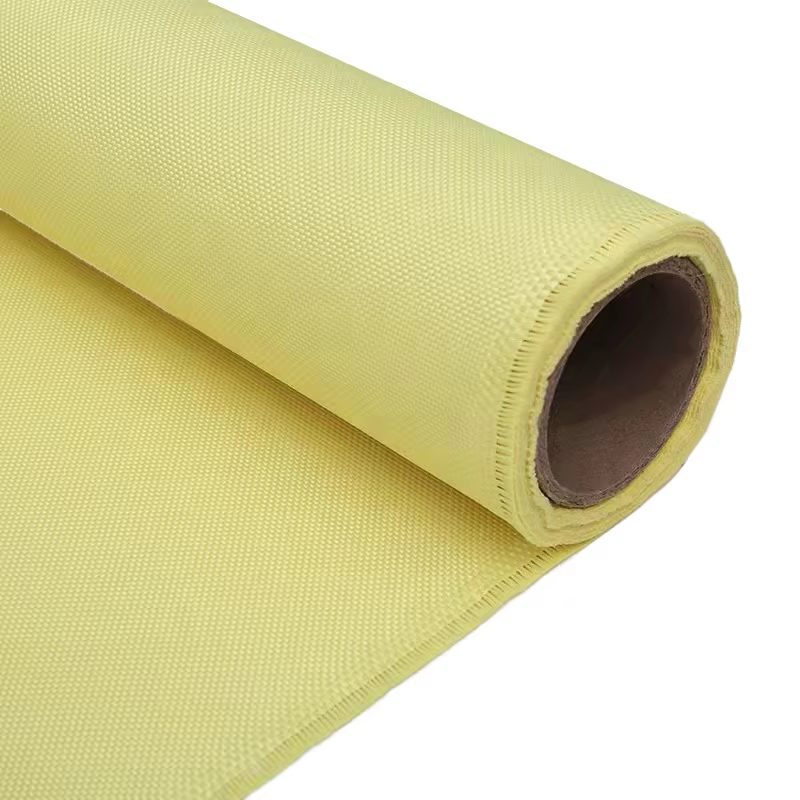
Carbon supplies high modulus and compressive strength; aramid absorbs impact energy and resists abrasion and fatigue crack growth. Plain, twill, and [ ] weaves are available, with the carbon-to-aramid ratio tuned toward stiffness or damage tolerance. The fabric wets out cleanly with epoxy, vinyl ester, and polyester resins and processes in wet lay-up, vacuum infusion, and prepreg routes. The aramid fraction also lowers raw-material cost versus a full carbon lay-up while extending part service life. Rolls ship in standard widths with traceable grade documentation.
Specifications
| Parameter |
Typical Value |
| Fiber system |
Carbon + para-aramid |
| Areal weight |
[ ] g/m² |
| Weave style |
Plain / twill / [ ] |
| Hybrid ratio (carbon:aramid) |
[ ] |
| Fabric width |
[ ] mm |
| Tensile strength |
[ ] MPa |
| Roll length |
[ ] m |
Values vary by grade — contact sales for the grade datasheet.
Applications
Harden automotive crash structures
Beams and body panels that absorb energy without shattering.
Protect marine hulls and decks
Impact zones needing abrasion and puncture resistance.
Reinforce aerospace secondary structures
Fairings and interior supports needing light weight and toughness.
Strengthen drones and sporting goods
Frames that cycle between stiffness and shock loading.
Key Advantages
Versus plain carbon fabric, the aramid phase arrests crack growth and dissipates impact energy instead of letting the laminate shatter. Versus pure aramid, carbon restores modulus and compressive strength. The result is a cost-effective middle path between full-carbon and glass systems, with predictable processing in existing infusion and lay-up shops.
FAQ
Can this fabric be vacuum infused?
Yes — it is designed for clean wet-out under vacuum; flow data accompanies the grade datasheet.
Which resins are compatible?
Epoxy, vinyl ester, and polyester all wet out the hybrid; contact sales to match resin and cure schedule to your process.
Can weave and hybrid ratio be customized?
Standard styles ship from stock; custom ratios and widths are available through Cinon Composites technical sales.
What is carbon aramid hybrid fabric?
Carbon aramid hybrid fabric is a woven reinforcement that combines carbon fiber yarns and aramid fiber yarns in a single fabric construction. The two fiber types are interlaced in the same weave — typically in defined carbon-to-aramid ratios — so that one textile delivers the stiffness and strength of carbon along with the toughness and impact resistance of aramid. It is a practical way to balance mechanical performance, damage tolerance, and cost in one laminate layup.
What is carbon aramid hybrid fabric used for?
It is used wherever designers need light weight and high stiffness plus impact and abrasion tolerance. Common applications include automotive body panels, crash structures and interior trim, marine hulls, decks and hatch covers, sporting goods (helmets, protective gear, racquets), and aerospace secondary structures. It is also a frequent choice for components that see edge impacts, fastener loads, or rough handling, where a pure carbon laminate might chip or crack.
How does carbon aramid hybrid fabric differ from pure carbon fiber and pure aramid fabric?
Pure carbon fiber fabric offers the highest stiffness and lowest weight, but it is relatively brittle: its low elongation at break means impacts and fastener edge loads can cause damage. Pure aramid fabric excels at impact absorption and toughness, but it has lower compressive strength and stiffness and is harder to cut and machine cleanly. A carbon aramid hybrid sits between the two: carbon carries the stiffness and strength on the critical axes, while aramid adds energy absorption and damage tolerance — at a material cost between the two pure options.
What specifications are available for carbon aramid hybrid fabric?
We supply carbon aramid hybrid fabrics in a range of constructions, including plain and twill weaves, with different carbon-to-aramid ratios and area weights. The exact specification sheet — available weights, widths, tow sizes, and roll lengths — depends on the current product line, so please check the product page or contact our sales team for the latest available constructions and custom options.
How should carbon aramid hybrid fabric be processed?
The fabric is compatible with the common composite processes: vacuum infusion, hand layup, and resin transfer molding. A few handling points matter: aramid yarns are tough but abrasive, so use sharp, dedicated cutting tools and trim carefully; aramid absorbs moisture, so keep rolls in dry storage before lamination; and because carbon conducts electricity, carbon dust from cutting is conductive — use ESD-safe work practices and clean tooling regularly. For wet-out, follow the same resin and debulk practice you would use for a comparable carbon fabric.
What are the purchasing details — MOQ, samples, and lead time?
Our minimum order quantity and lead time depend on the fabric construction, width, and quantity requested, so we confirm them per order. Samples for evaluation are available — please share your application, target weight, and quantity, and our sales team will confirm sample terms, MOQ, and delivery schedule for your destination.
— Cinon Composites Technical Team