Product Overview
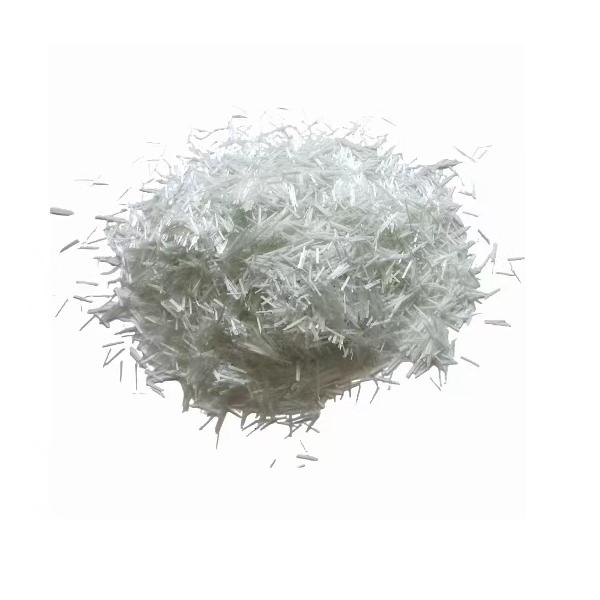
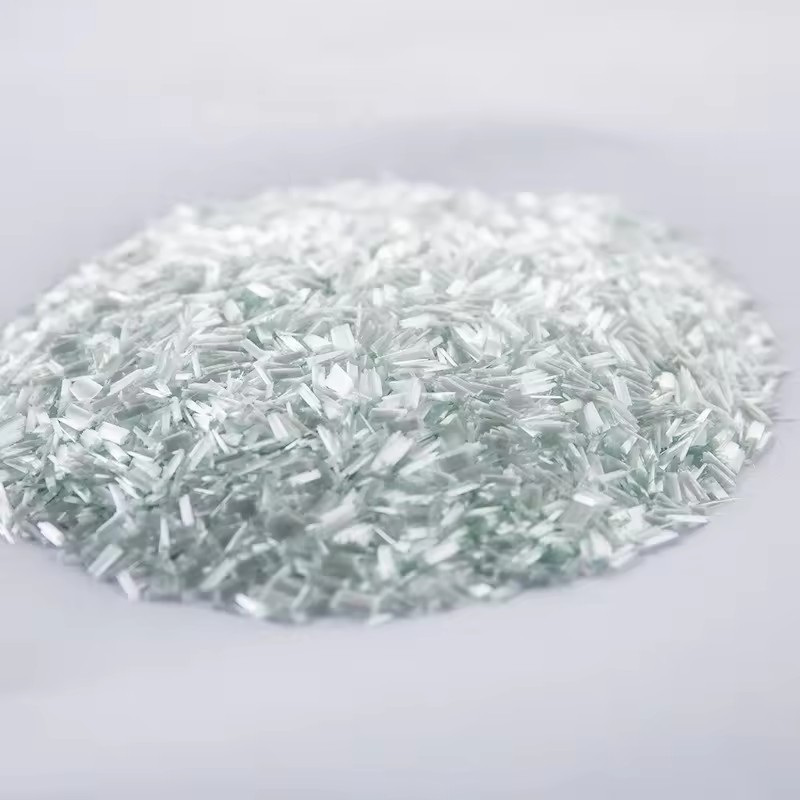
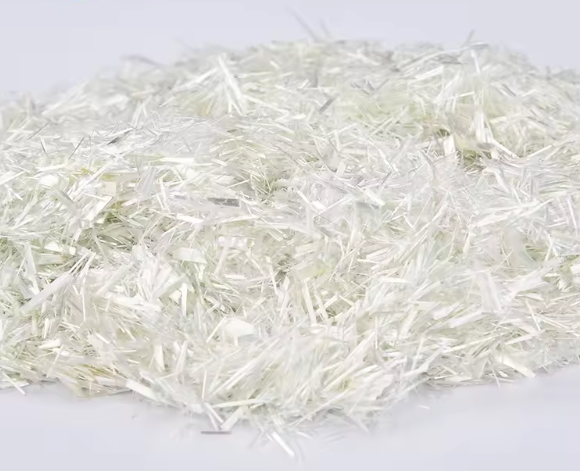
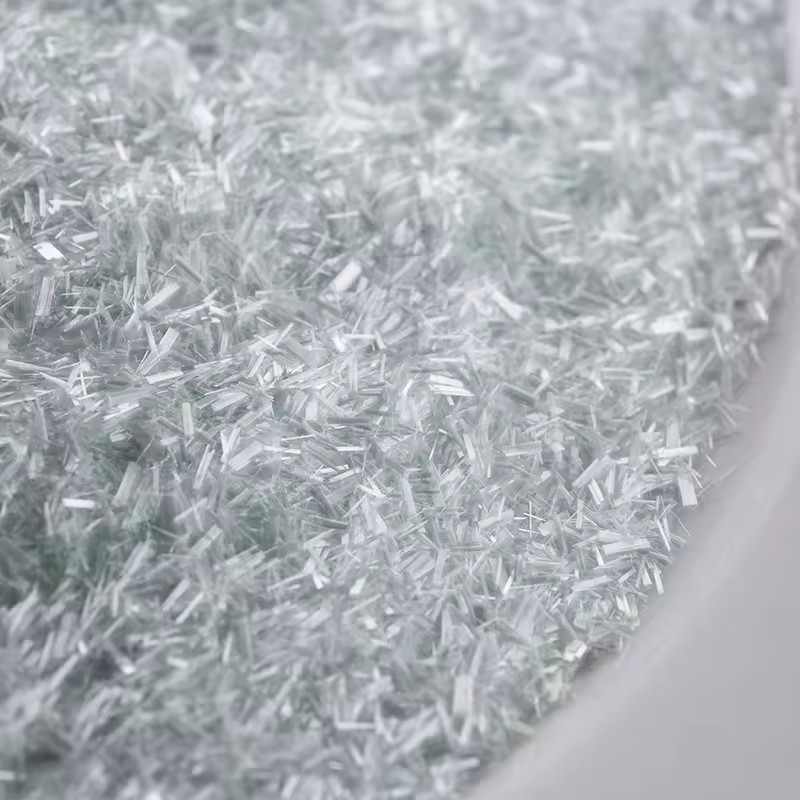
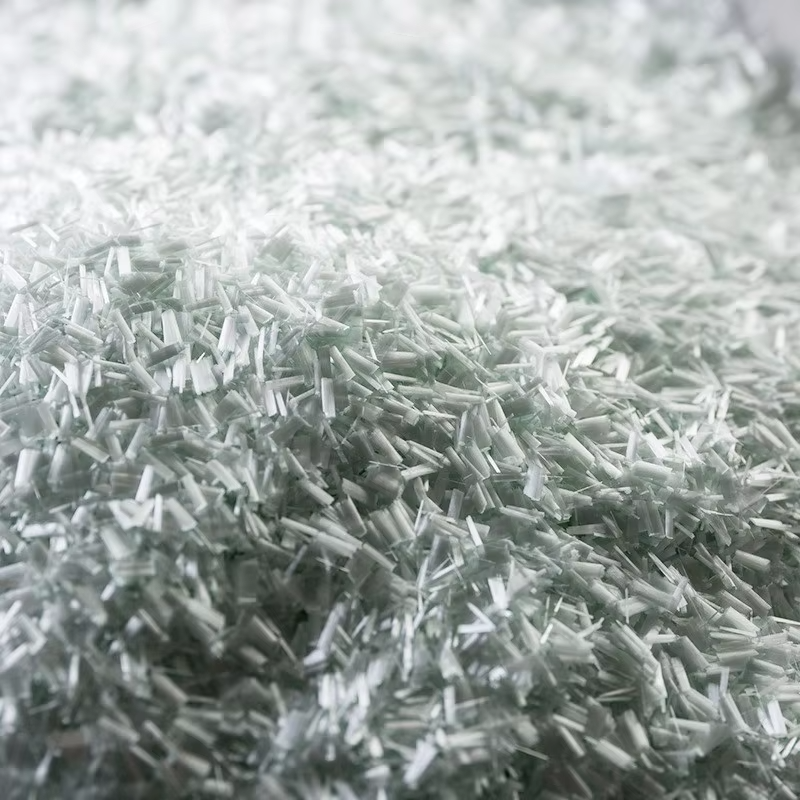
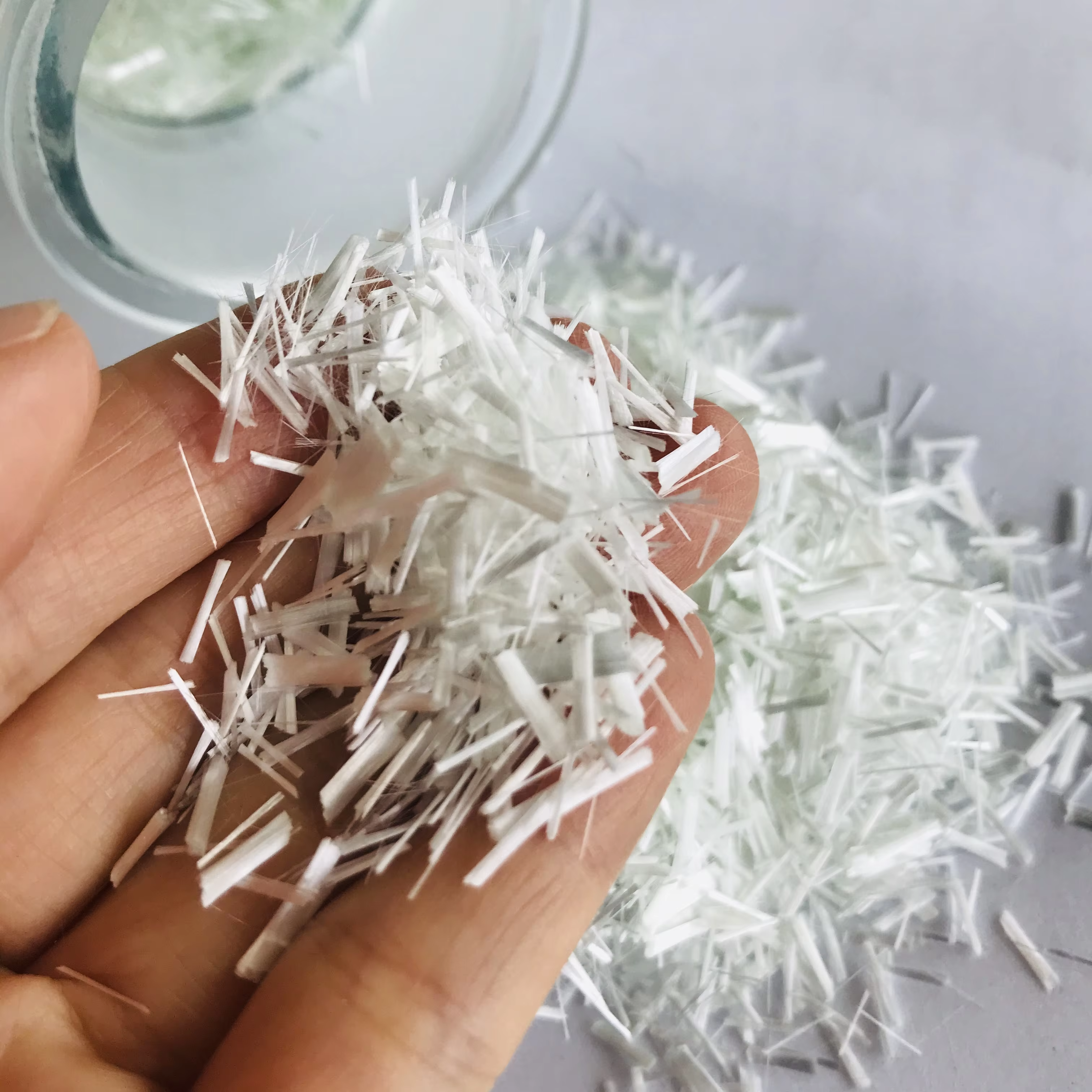
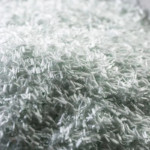
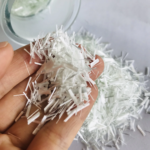
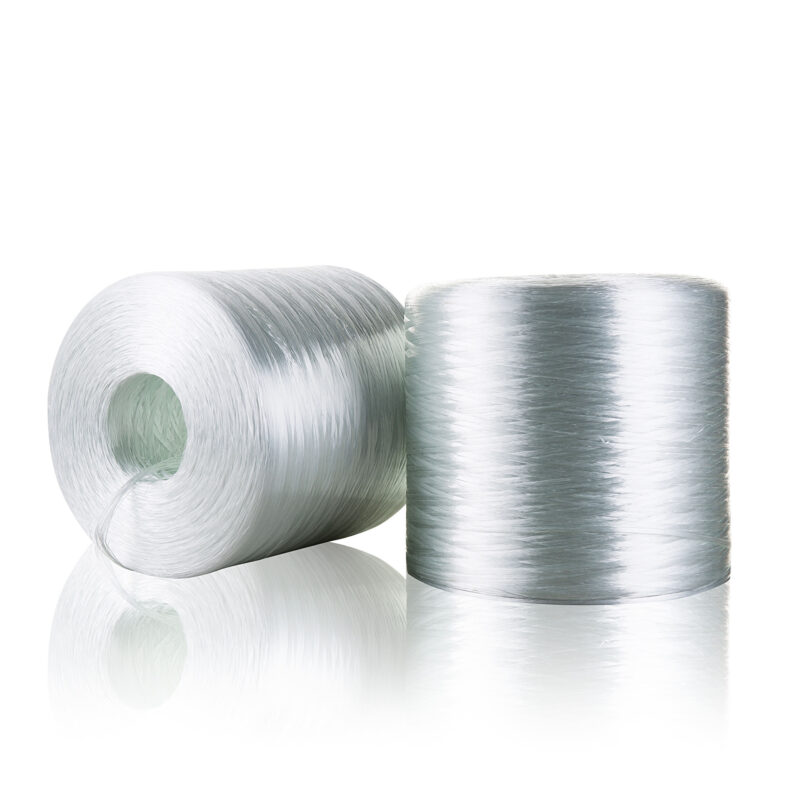
Chopped strands are produced by cutting continuous glass roving into uniform lengths, typically [ ] mm, with a sizing chemistry matched to the intended matrix — polyester, epoxy, phenolic, polypropylene, or cement. The sizing determines dispersion, wet-out, and the glass-to-resin bond, so grades are matched to process: BMC and SMC molding, spray-up, injection molding, and dry-mix concrete reinforcement. Strands are packaged in bags or bales and meter directly into mixing and molding equipment, keeping shop-floor handling simple.
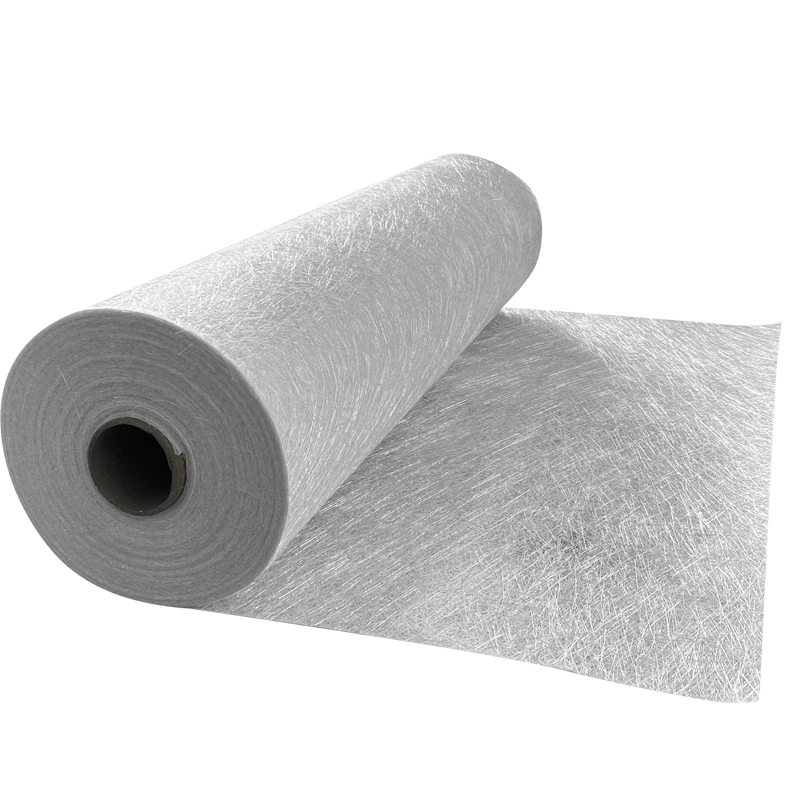
Fiberglass chopped strands are short E-glass filaments cut to controlled lengths, used as the workhorse reinforcement for molding compounds, thermoset and thermoplastic composites, and cementitious systems. They disperse evenly into a matrix to add strength, stiffness, and dimensional stability at low cost. Processors choose them when they need predictable mechanical performance from a bulk reinforcement.
Specifications
| Parameter |
Typical Value |
| Glass type |
E-glass / [ ] |
| Chop length |
[ ] mm |
| Filament diameter |
[ ] µm |
| Sizing type |
[ ] (matched to matrix) |
| Moisture content |
[ ] % |
| Bulk density |
[ ] kg/m³ |
| Tensile strength |
[ ] MPa |
| Packaging |
[ ] kg/bag |
Values vary by grade — contact sales for the datasheet.
Applications
Reinforce BMC and SMC compounds
Automotive and electrical parts molded at high throughput.
Strengthen thermoplastics
Injection-molded housings and brackets with balanced properties.
Armor cement and gypsum products
Crack control in panels, pipes, and architectural elements.
Support spray-up lay-ups
Chop-in-place reinforcement for tooling and tanks.
Key Advantages
Versus continuous roving, chopped strands meter and disperse easily in automated compounding and molding, cutting cycle time and waste. Versus milled fiber, the longer filaments deliver better aspect ratio and strength retention in the molded part. Consistent chop length and sizing chemistry from Cinon Composites keep batch-to-batch properties stable, which is what molders need to hold tolerances in serial production.
FAQ
Which matrix systems are supported?
Grades cover polyester, epoxy, phenolic, polypropylene, and cementitious systems; tell us your process and resin when ordering.
How is the material packaged?
Chopped strands ship in [ ] kg bags on pallets, with bulk options for high-volume users — ask Cinon Composites sales for details.
Does sizing affect surface finish?
Sizing is matched to the matrix so molded surfaces stay clean; confirm the grade with technical sales for appearance-critical parts.
— Cinon Composites Technical Team