Product Overview
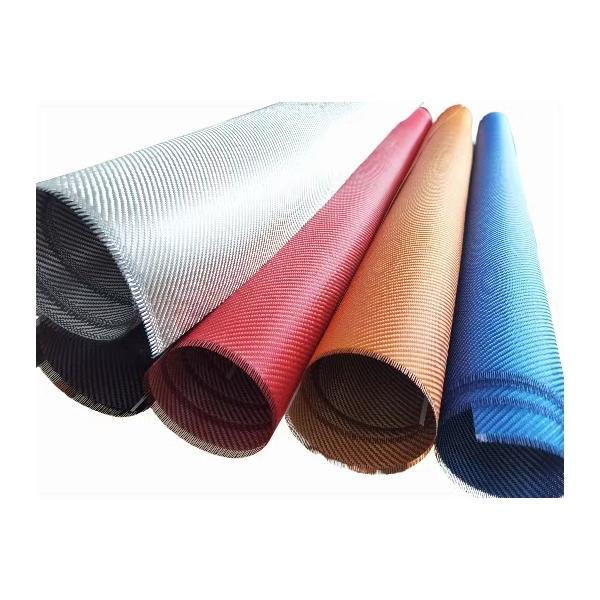
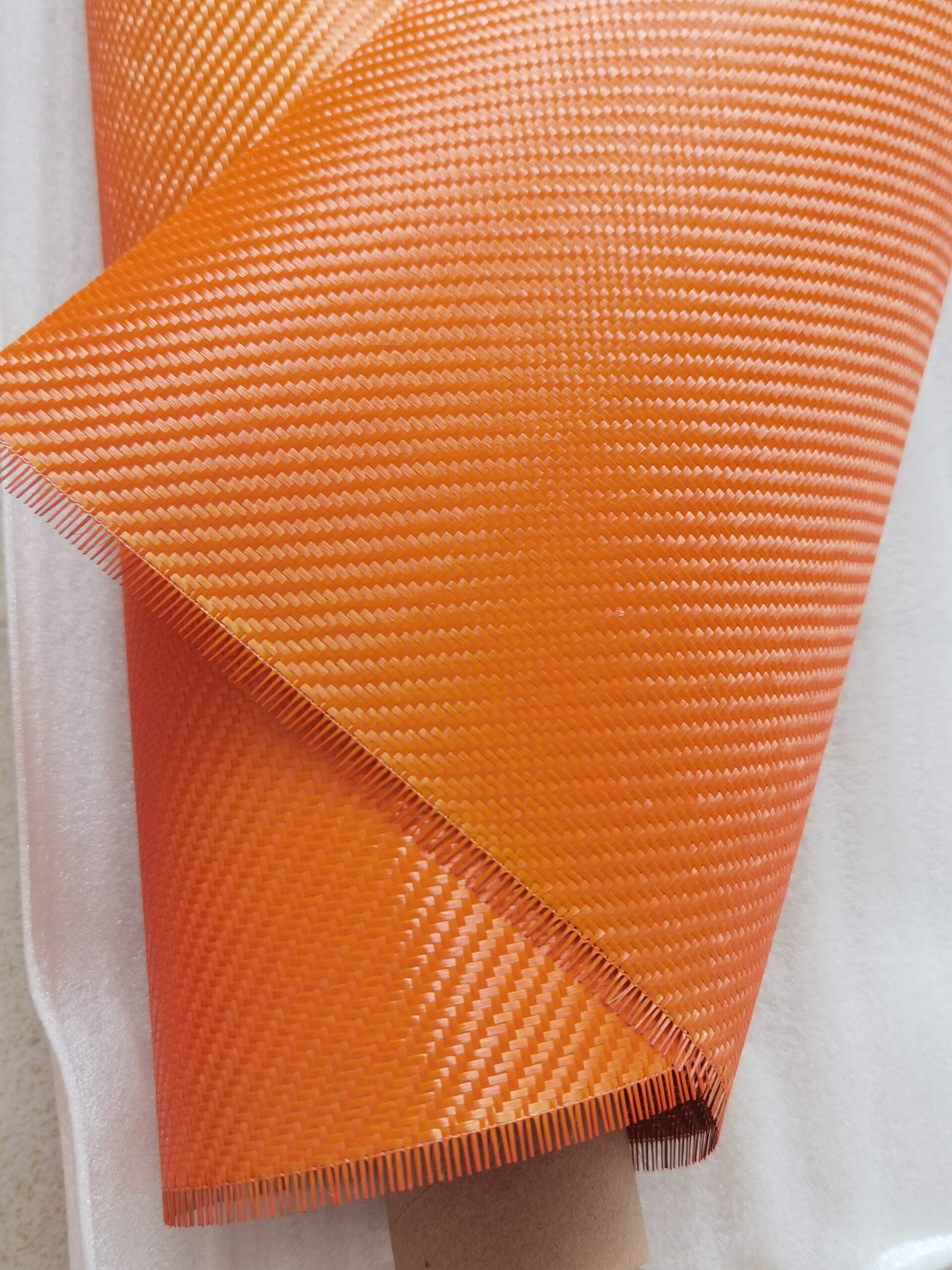
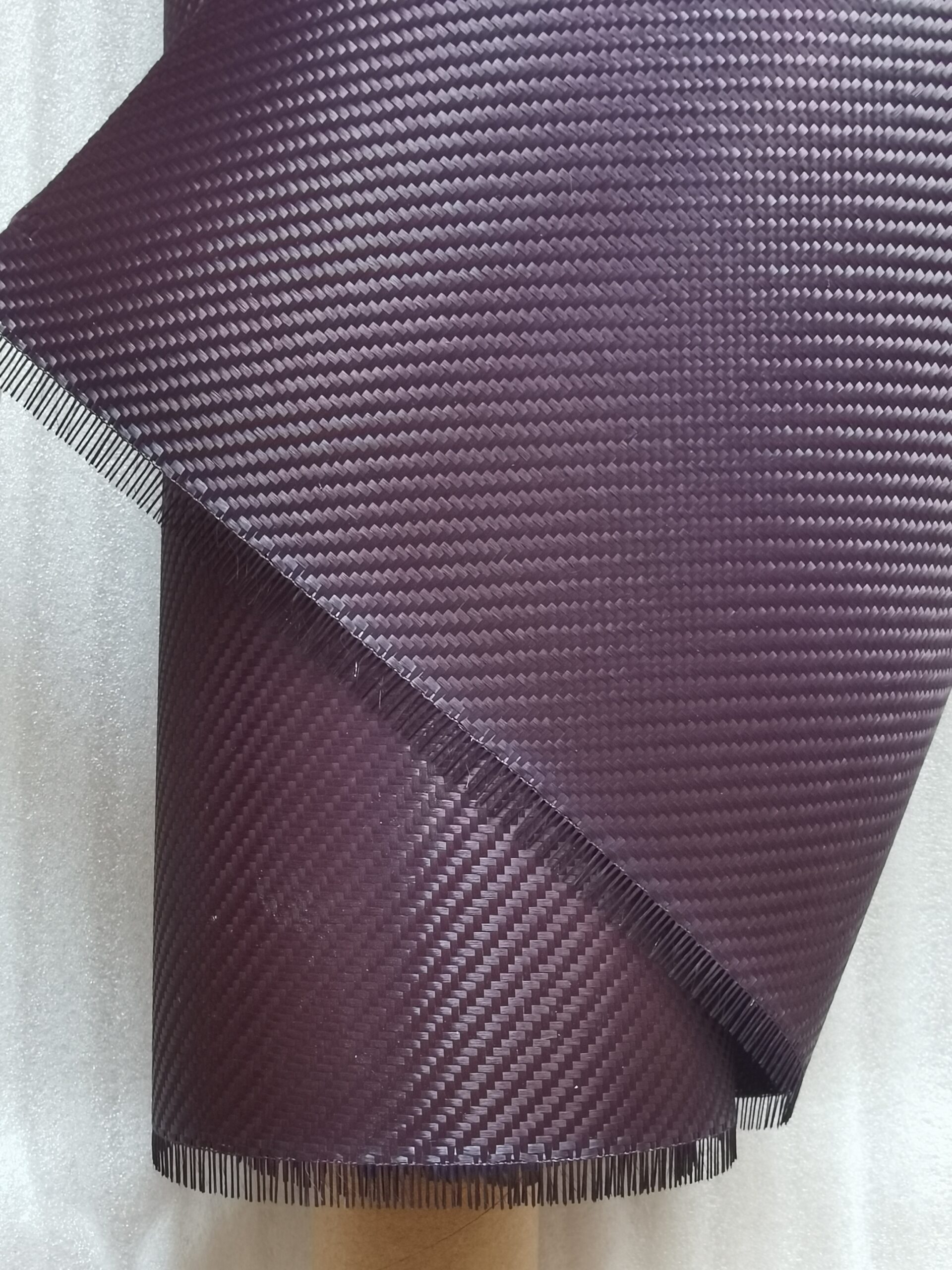
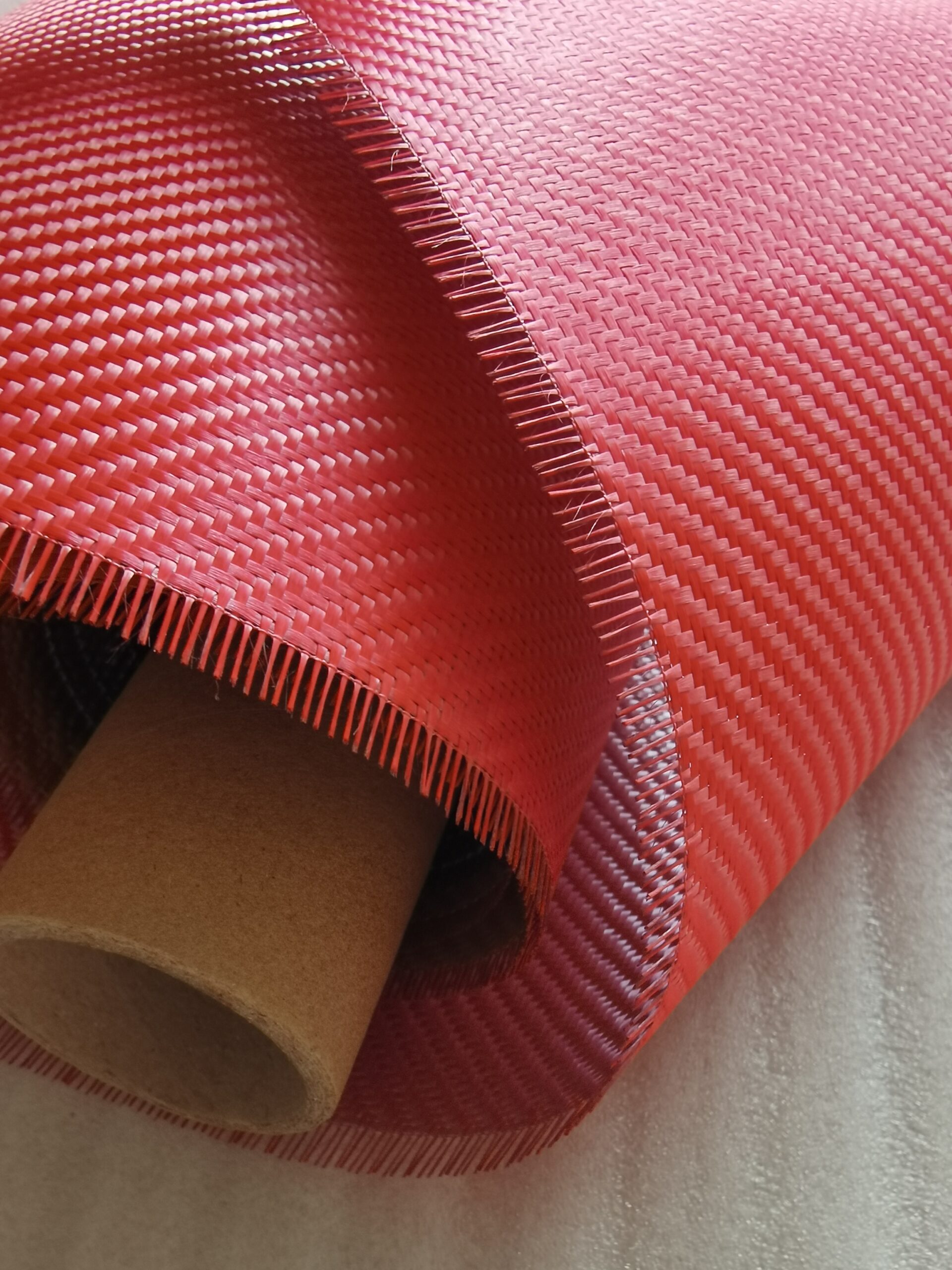
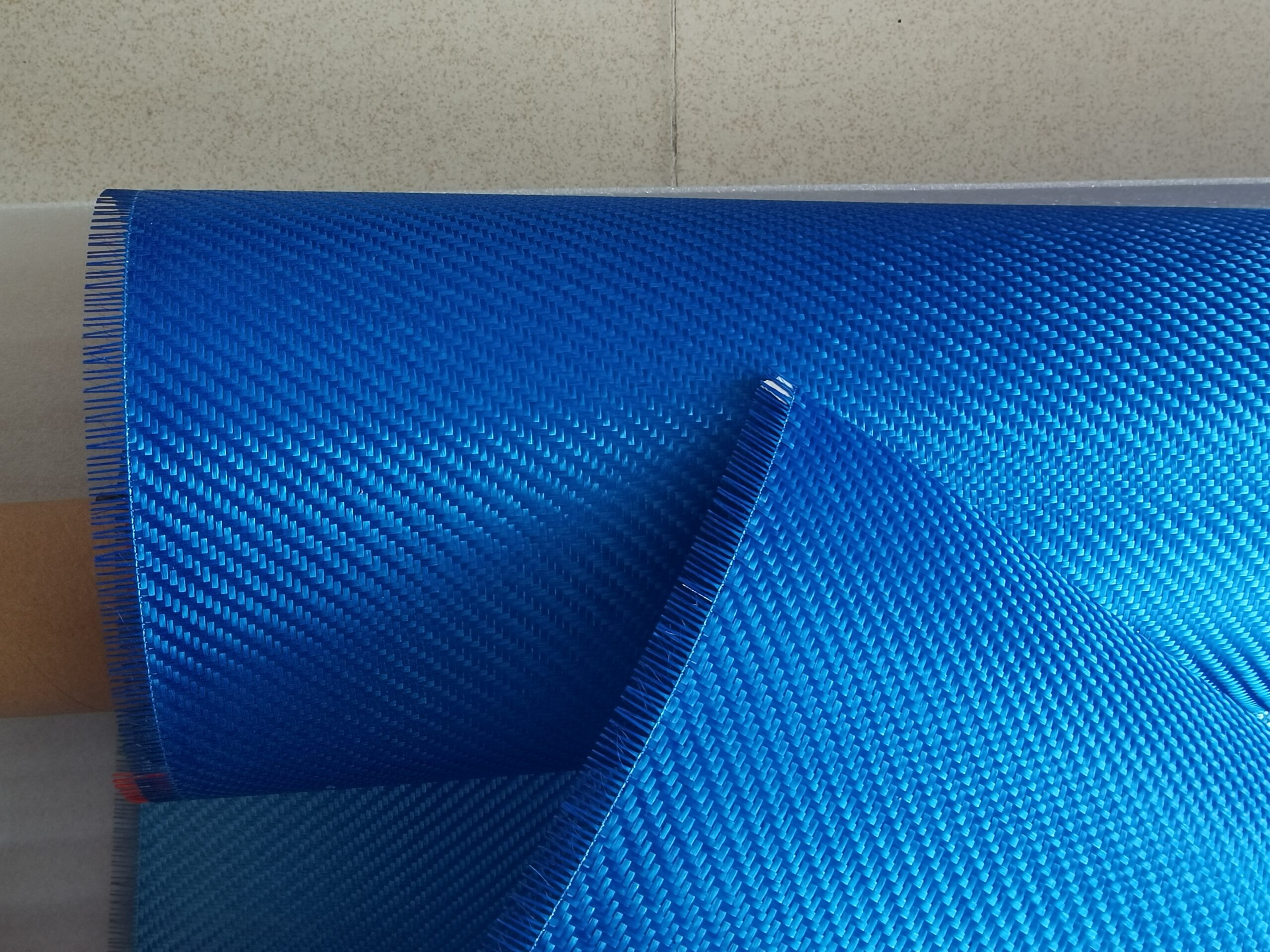
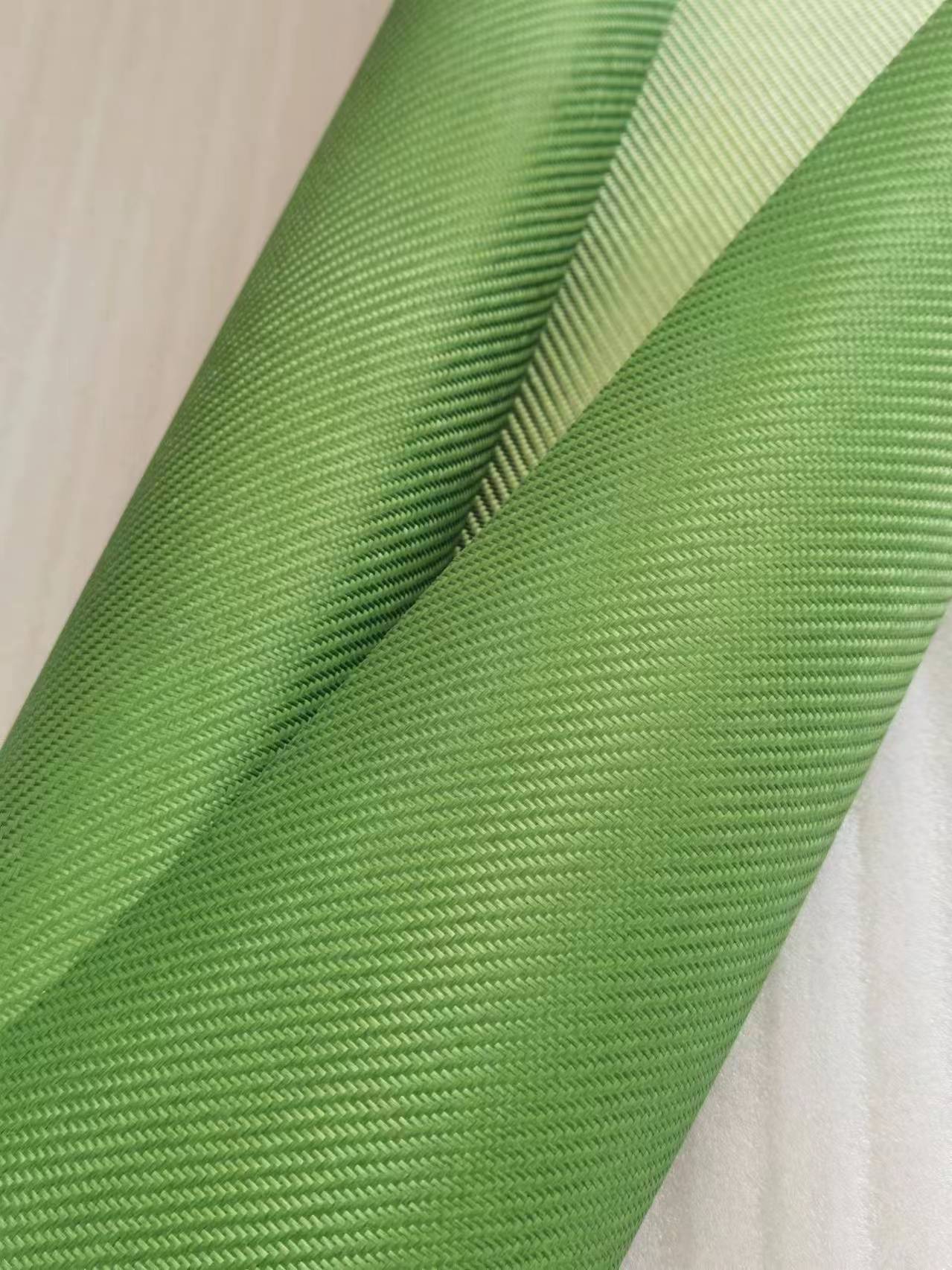
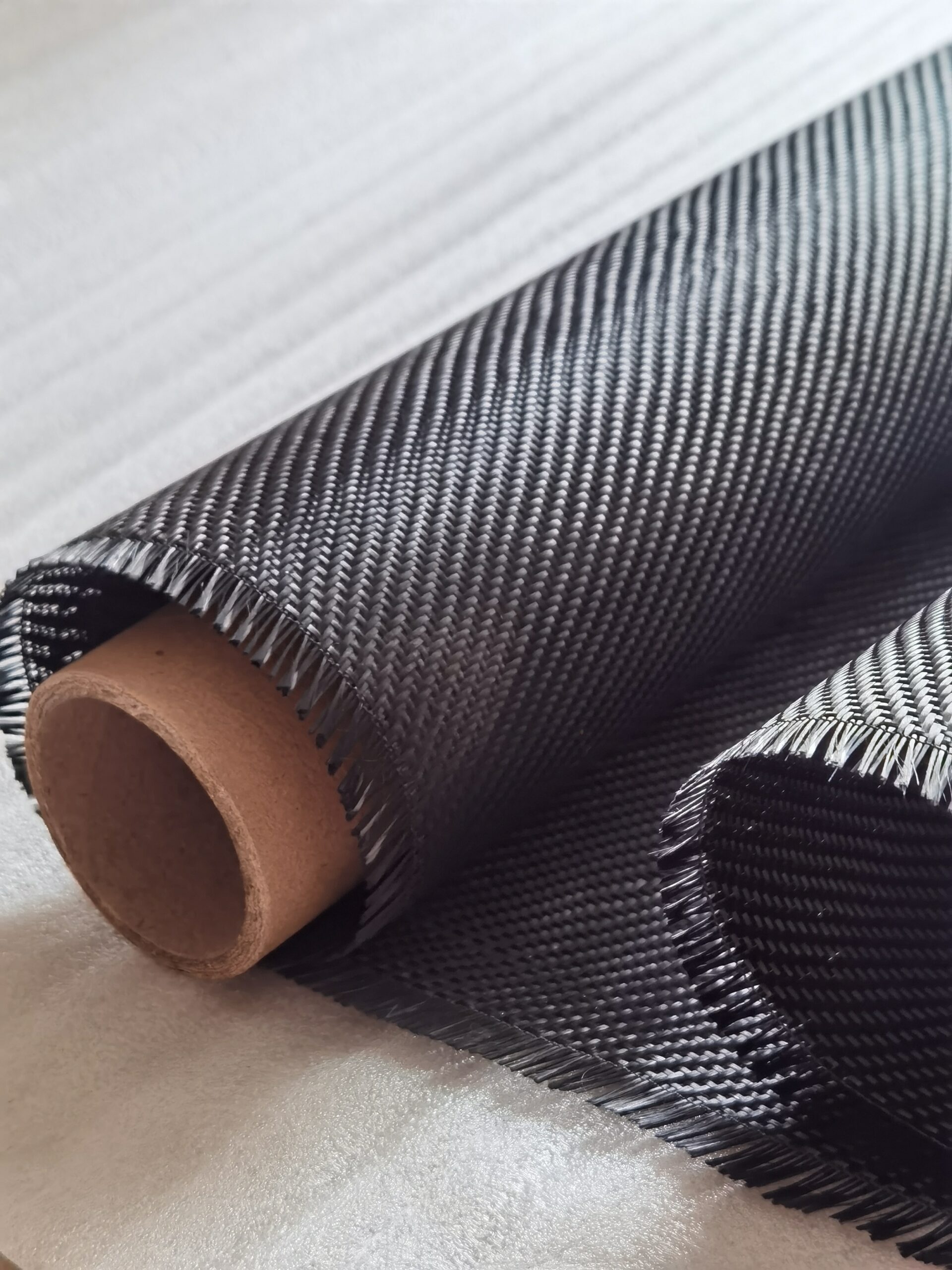
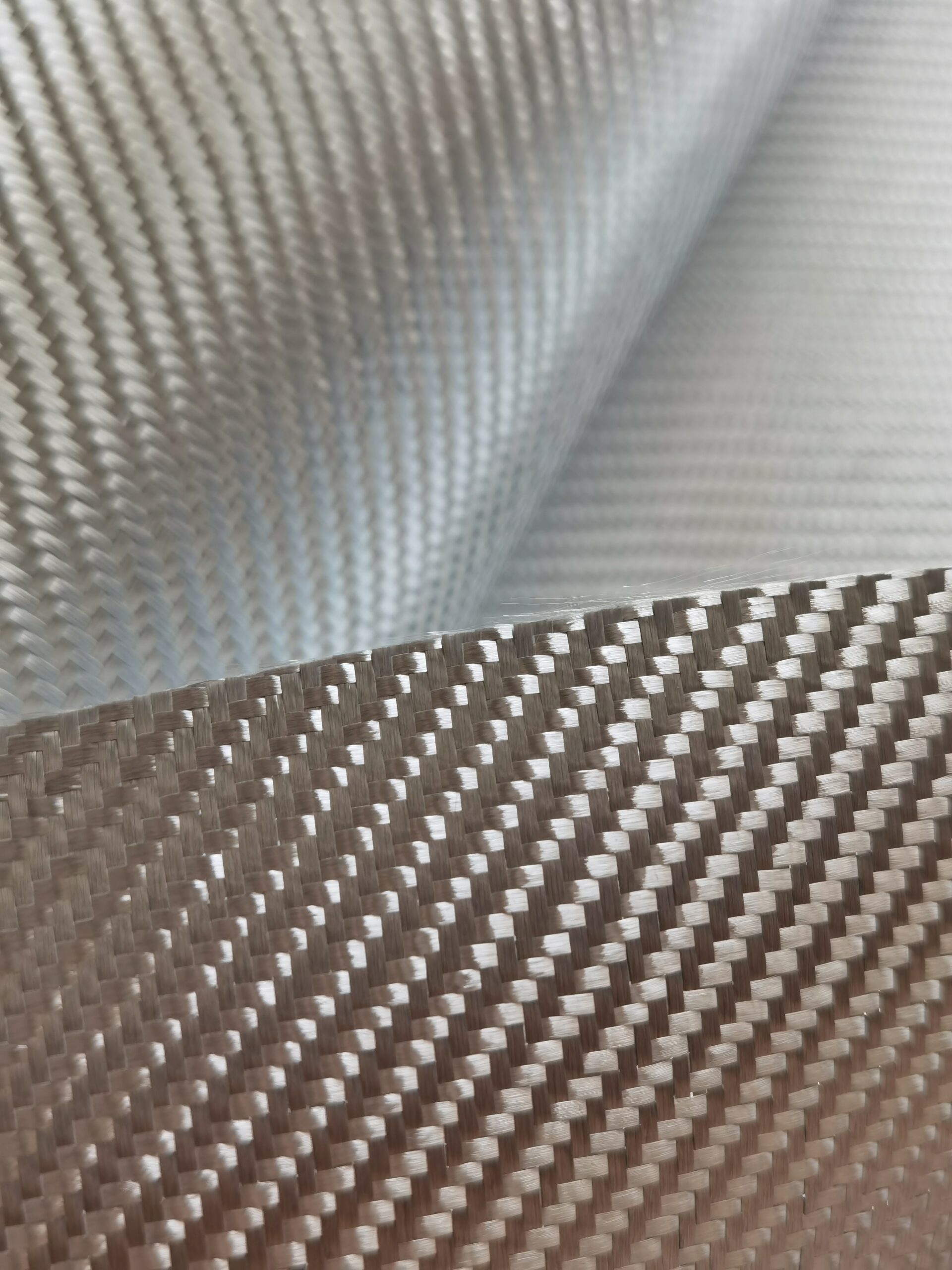
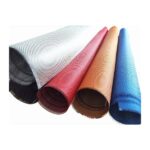
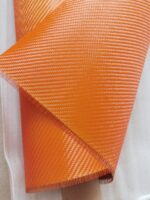
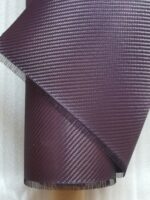
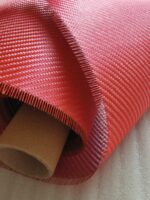
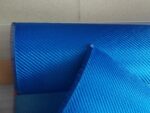
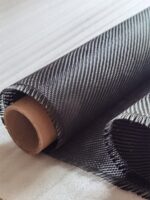
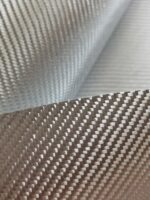
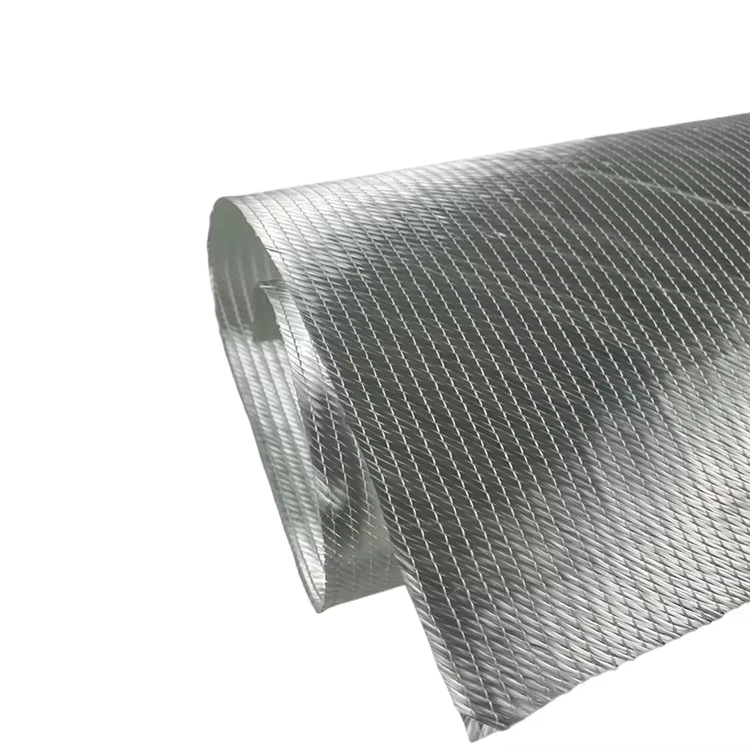
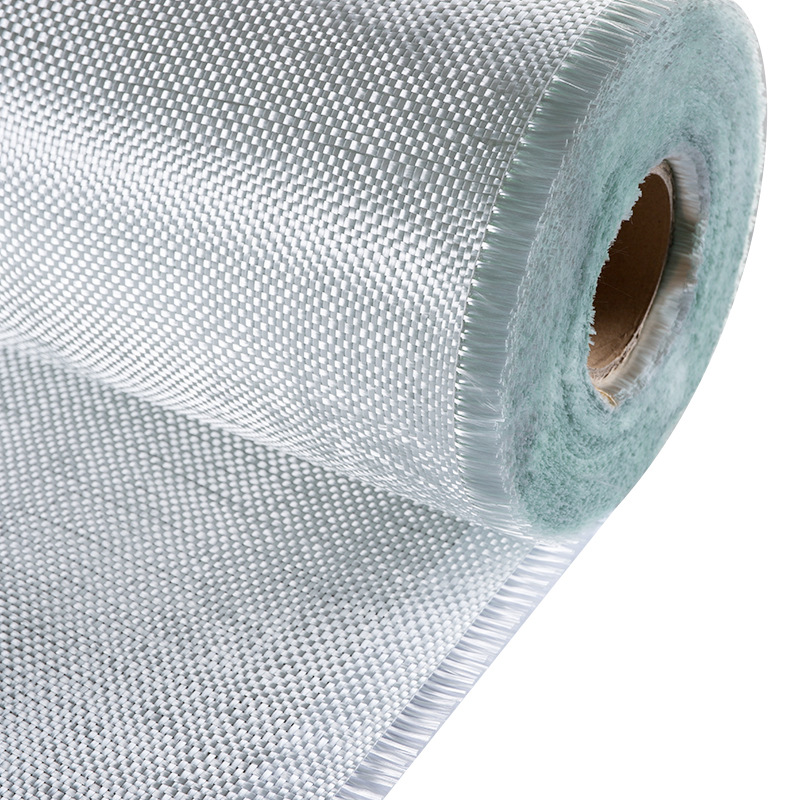
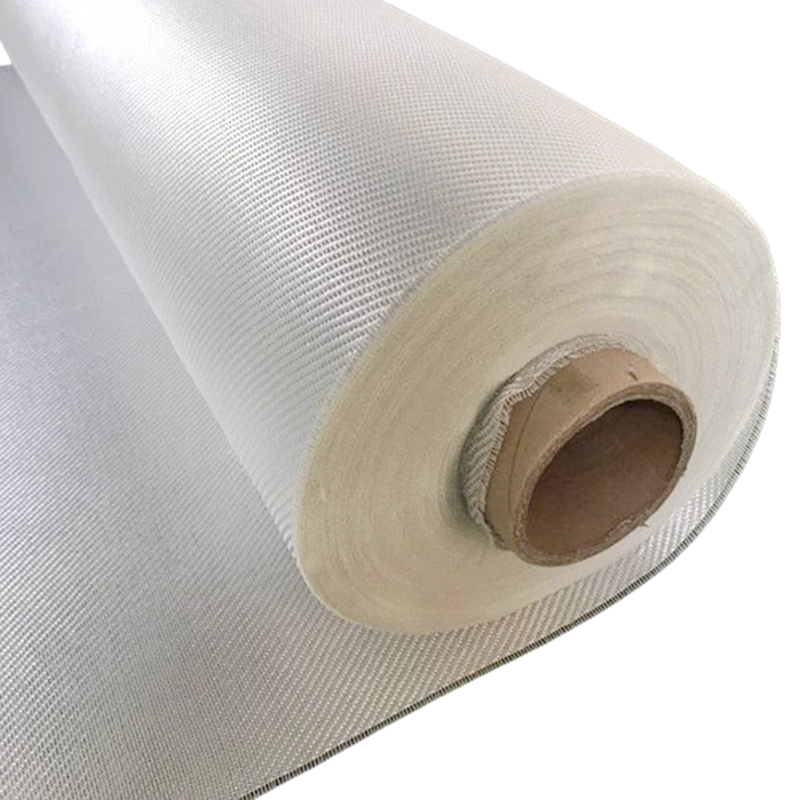
A woven fiberglass base is plated with a continuous metal layer, producing a fabric that is conductive across its surface and through the weave. Plating thickness is tuned to control sheet resistance and shielding effectiveness, while the glass substrate keeps the dimensional stability and handling behavior of standard reinforcement cloth. The fabric laminates into panels, lays over substrates, or serves as a conductive layer in hybrid stacks with carbon or glass. Plating can be applied on one side or both, depending on the application.
Electroplate fiberglass fabric is an E-glass cloth with a metallic coating — typically nickel or copper — applied by electroplating to one or both surfaces, giving the reinforcement electrical conductivity and electromagnetic shielding without losing glass strength. It is the direct answer when a composite part must block EMI or carry current while remaining structural. Cinon Composites supplies the fabric in standard widths with controlled plating thickness.
Specifications
| Parameter |
Typical Value |
| Base fabric |
E-glass, plain / twill weave |
| Areal weight (base) |
[ ] g/m² |
| Plating metal |
Nickel / copper / [ ] |
| Plating thickness |
[ ] µm |
| Surface resistance |
[ ] Ω/sq |
| Shielding effectiveness |
[ ] dB |
| Fabric width |
[ ] mm |
| Roll length |
[ ] m |
Values vary by grade — contact sales for the datasheet.
Applications
Shield electronic enclosures
Composite housings that block EMI for telecom and industrial electronics.
Build radome and antenna structures
Conductive layers that manage reflection and attenuation.
Ground and protect defense hardware
Lightweight panels with controlled conductivity.
Control static in aerospace interiors
Dissipative surfaces on cabin and galley components.
Key Advantages
Versus metal foil or mesh, the plated fabric stays thin, uniform, and structural — no bonding step, no delamination interface, and no bulky screens. Versus carbon fiber, it delivers tunable surface resistance without galvanic coupling issues with aluminum structure. Plating thickness adjusts to meet shielding targets without changing the laminate design, which keeps qualification and tooling unchanged.
FAQ
Does the plating affect resin wet-out?
The coated surface is compatible with epoxy and polyester systems; surface preparation guidance is available from the technical team.
Can shielding effectiveness be increased?
Yes — heavier plating or double-sided coating raises attenuation; specify your target dB when requesting a quote.
Is the fabric available in custom widths?
Standard widths ship from stock, and custom slitting is available on request through Cinon Composites sales.
— Cinon Composites Technical Team