Product Overview
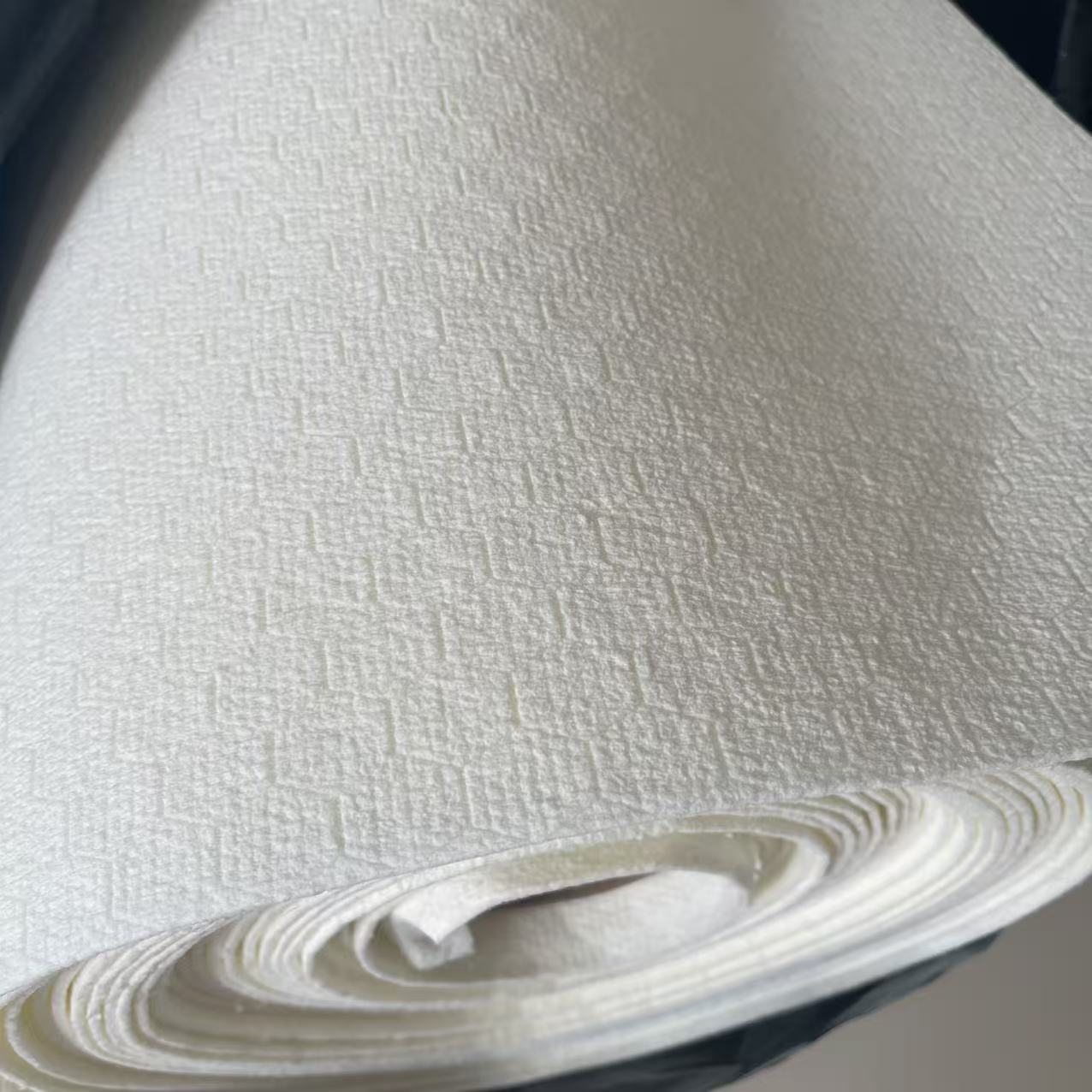
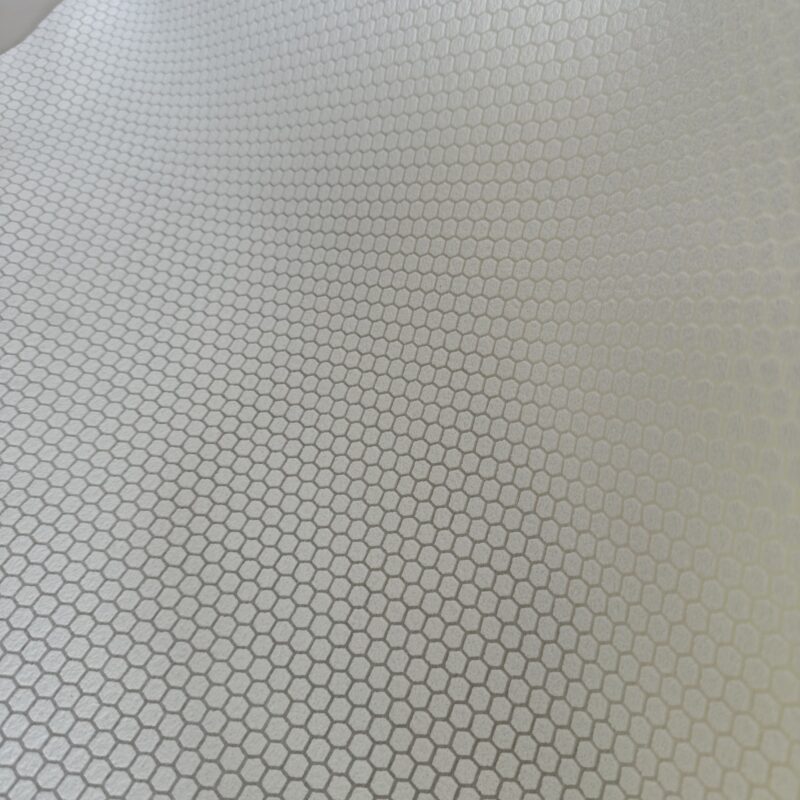
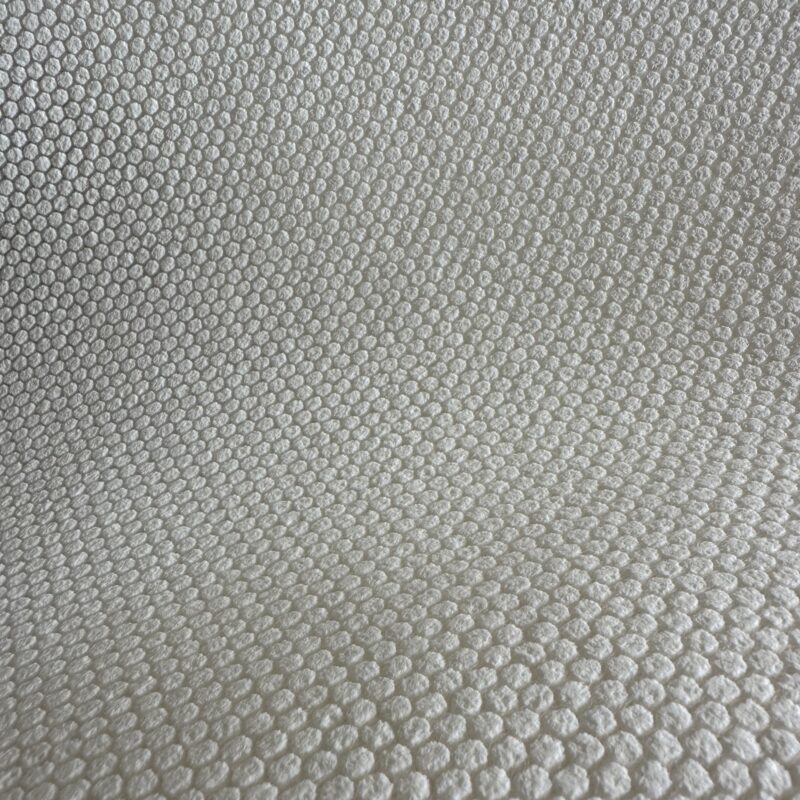
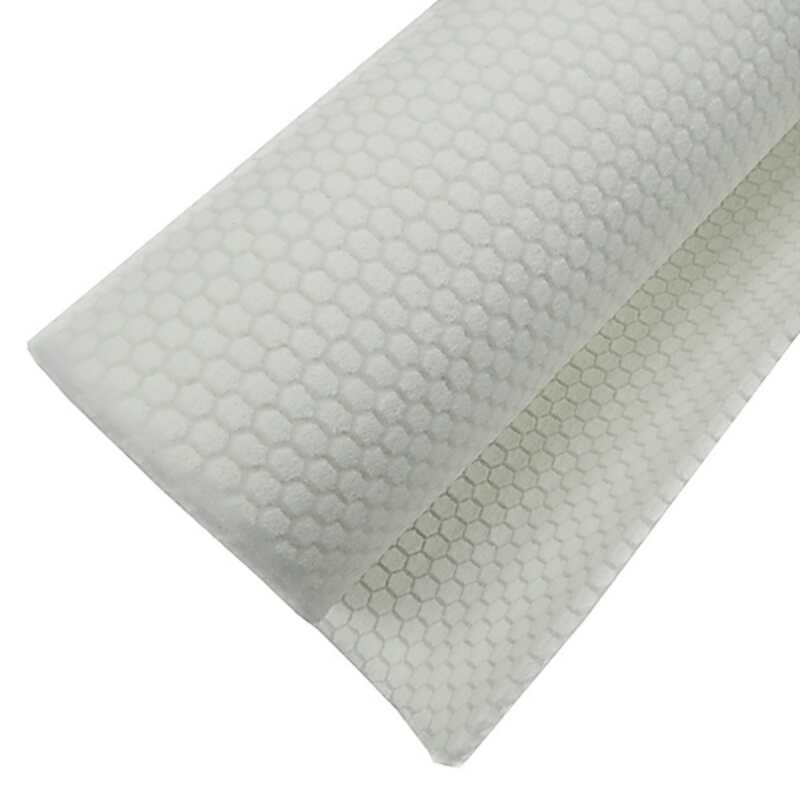
The CX mat is a compressible non-woven structure placed between the skin and the core. During infusion it creates a controlled gap that spreads resin evenly, then its structure limits the resin volume it holds, keeping laminate resin content low and the panel light. In finished panels the mat suppresses core print-through onto the outer skin, improving surface finish in visible gel-coated parts. It works with polyester, epoxy, and vinyl ester resins.
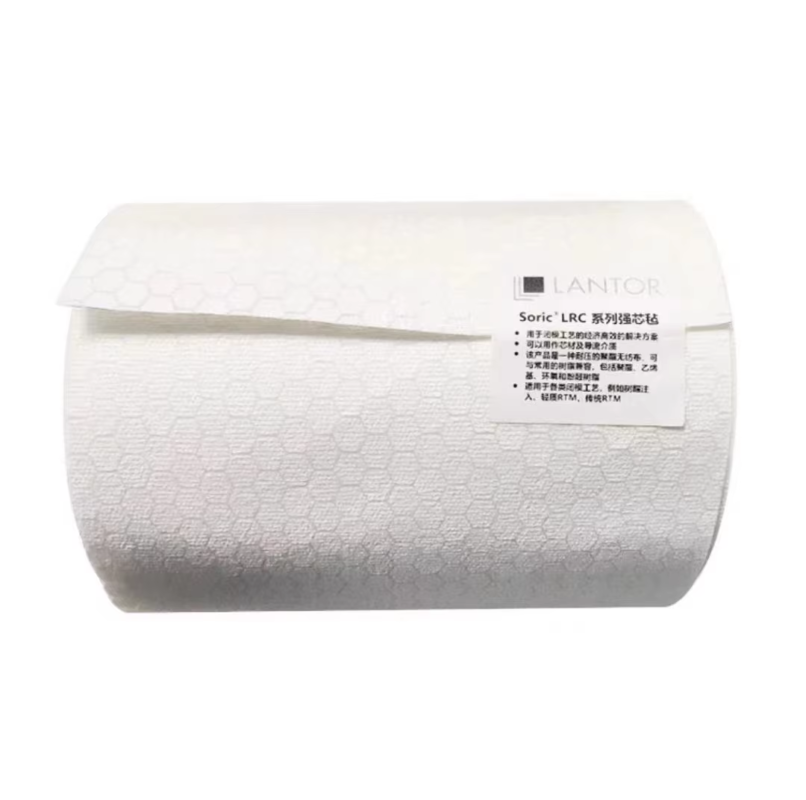
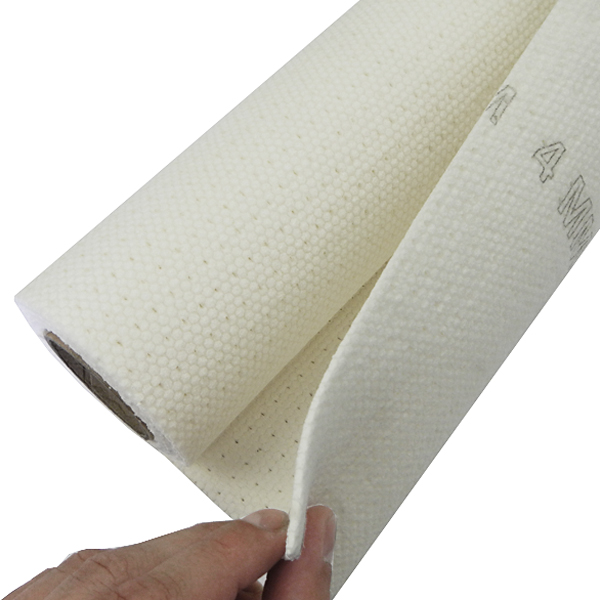
Low resin consumption core mat CX is a non-woven core layer engineered to control resin uptake during infusion, so sandwich panels come out lighter and cheaper per square meter. It replaces resin-hungry flow media with a mat that distributes resin while limiting how much the core soaks up. Designers use it when weight, cost, and surface quality all matter. Cinon Composites supplies the CX mat in rolls sized for standard lay-up widths.
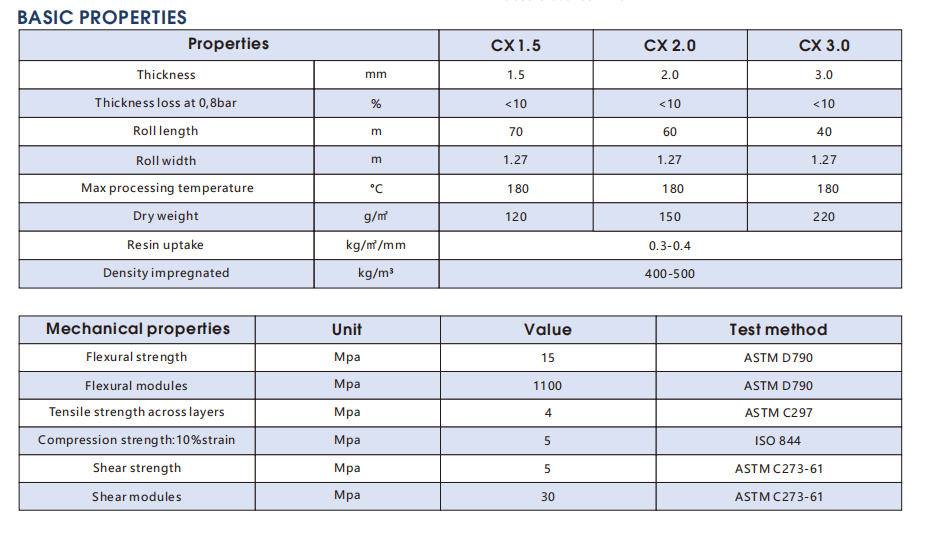
Specifications
| Parameter |
Typical Value |
| Material |
Non-woven polyester / [ ] |
| Thickness |
[ ] mm |
| Areal weight |
[ ] g/m² |
| Resin uptake |
[ ] g/m² |
| Width |
[ ] mm |
| Roll length |
[ ] m |
| Compatible resins |
Polyester / epoxy / vinyl ester |
| Packaging |
[ ] rolls per carton |
Values vary by grade — contact sales for the datasheet.
Applications
Reduce weight in marine laminates
Hull and deck skins with less excess resin.
Improve finish of infused panels
Suppress core print-through behind gel coat.
Save resin in wind and transport parts
Lower material cost per panel at scale.
Distribute resin over large flat areas
Uniform flow without heavy flow media.
Key Advantages
Compared with conventional flow media — removed after infusion and leaving the laminate resin-rich — the CX mat stays in the part and is designed to hold minimal resin, cutting weight and resin cost together. Compared with building without a core mat, it gives more reliable flow and a visibly better surface on gel-coated parts. Predictable compression also helps hold final laminate thickness within tolerance.
FAQ
Does the mat stay in the finished laminate?
Yes — it becomes part of the panel and is included in laminate weight calculations.
Will it work with high-viscosity resins?
Flow depends on mat structure and resin viscosity; confirm compatibility with a trial panel before scale-up.
How much weight can it save?
Savings depend on panel size and resin system — request a trial through Cinon Composites sales to measure resin uptake.
— Cinon Composites Technical Team